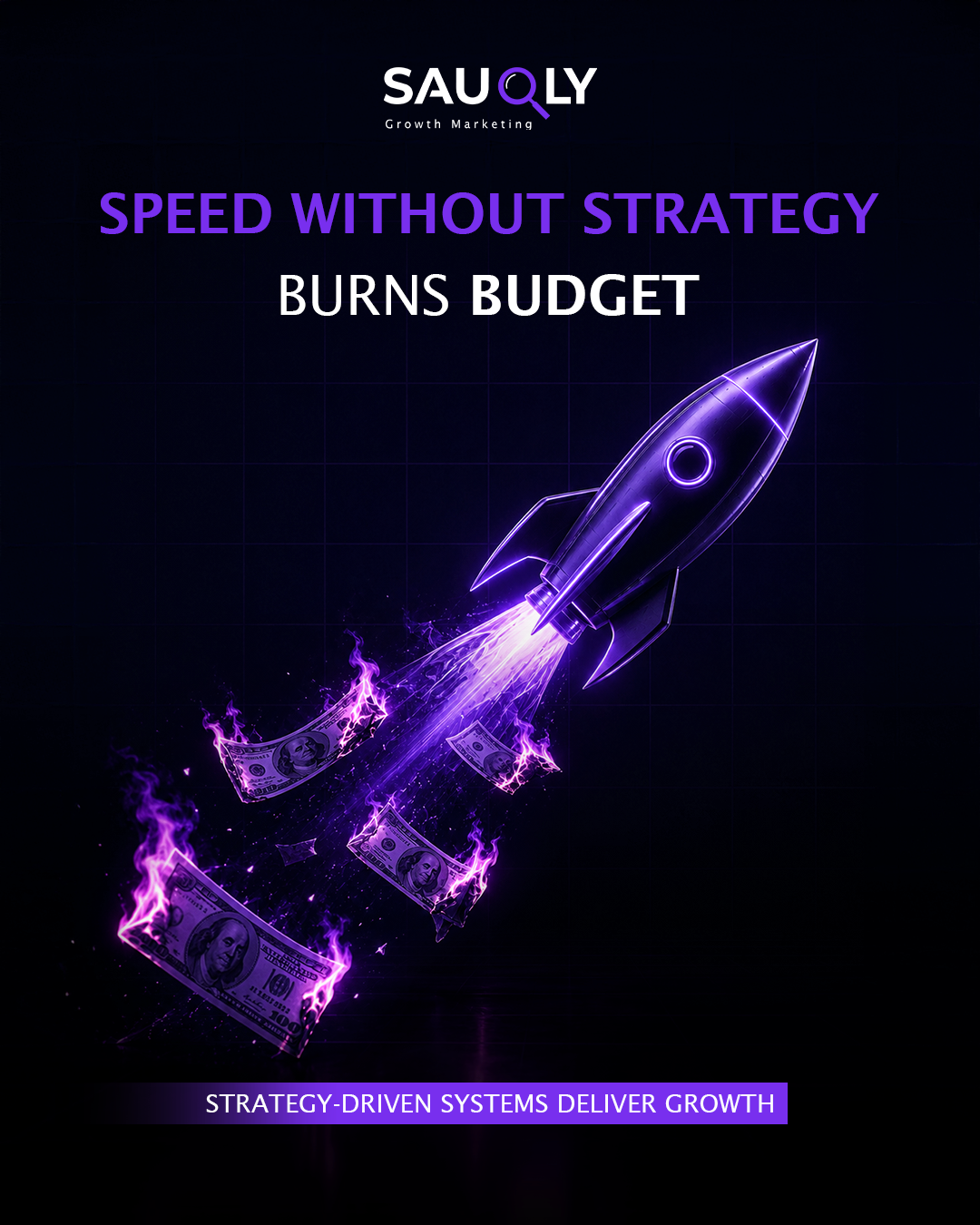
Stop the Burn: Reducing Ad Waste Before Scaling Your Campaigns
September 16, 2026
Direct Answer Summary To reduce ad waste before scaling, focus on optimizing current campaign efficiency by refining negative keywords, auditing tracking data, and enhancing landing page user experience. Scaling without efficiency multiplies losses; therefore, first plug spending leaks and ensure a…
## Direct Answer Summary
To reduce ad waste before scaling, focus on optimizing current campaign efficiency by refining negative keywords, auditing tracking data, and enhancing landing page user experience. Scaling without efficiency multiplies losses; therefore, first plug spending leaks and ensure a stable return on investment before increasing your budget.
## Data Audit and Account Review
Data auditing is the first step to reducing ad waste. Before increasing spend, review current campaigns to identify budget leaks. This involves auditing search term reports to exclude irrelevant queries. Understanding user interaction provides insights into gaps that need addressing to ensure resources are directed toward profitable channels. Identifying waste requires analyzing budget distribution across devices and times, reallocating resources toward high-performing elements.
## Refining Audience and Negative Keywords
Precise targeting and negative keywords are vital for controlling spend. Relying on broad match keywords without oversight leads to ads appearing before uninterested audiences, driving up costs. Periodically adding negative keywords prevents ads from showing in inappropriate contexts, ensuring every dollar is directed toward the target audience. Reviewing audience segments helps narrow targeting to those most likely to convert, focusing on quality over quantity before scaling.
## UX and Landing Page Optimization
An ad's role continues when the user arrives at the landing page. If the page is slow or not mobile-friendly, the budget is wasted. Improving user experience (UX) is integral to reducing waste, as higher conversion rates lower the cost per acquisition. Landing pages must feature clear calls to action and accessible information. Harmony between ad copy and page content bolsters trust. Before scaling, ensure the digital infrastructure can handle increased traffic efficiently to avoid losing visitors.
## KPIs and Scaling Readiness
Before scaling, monitor key performance indicators (KPIs) to ensure readiness. Campaigns must demonstrate stability in results, specifically a steady cost per acquisition and return on ad spend. Fluctuating figures indicate that scaling may lead to uncontrolled costs.
| Comparison Point | Optimization Phase | Scaling Phase |
| :--- | :--- | :--- |
| **Main Goal** | Reduce waste & boost ROI | Increase reach & results |
| **Technical Focus** | Negatives & LP optimization | Budget & audience expansion |
| **Success Metric** | Lower CPA | Growth in total volume |
## Practical Checklist for Reducing Ad Waste
- [ ] Review search term reports and add negative keywords weekly.
- [ ] Ensure conversion tracking accuracy and check for data duplication.
- [ ] Test landing page load speed and compatibility across all devices.
- [ ] Analyze campaign performance by location and time, then adjust bids.
- [ ] Conduct at least one A/B test on visuals or copy every month.
## Useful Links
- [Available Services](/services)
- [Integrated Growth System](/growth-system)
- [Contact Us](/contact)
## Contact Us
For more information on optimizing your advertising campaigns, feel free to contact our specialist team to discuss suitable growth strategies.
***
### المراجع الرسمية من Google
- [Google Ads Support: About optimizing your budget](https://support.google.com/google-ads/answer/1722022?hl=en)
- [Google Ads Support: About conversion tracking](https://support.google.com/google-ads/answer/6165592?hl=en)
- [Google Marketing Platform: Analytics](https://marketingplatform.google.com/about/analytics/)
Ready to grow your brand?
Talk with the Sauqly team to start a conversation.